

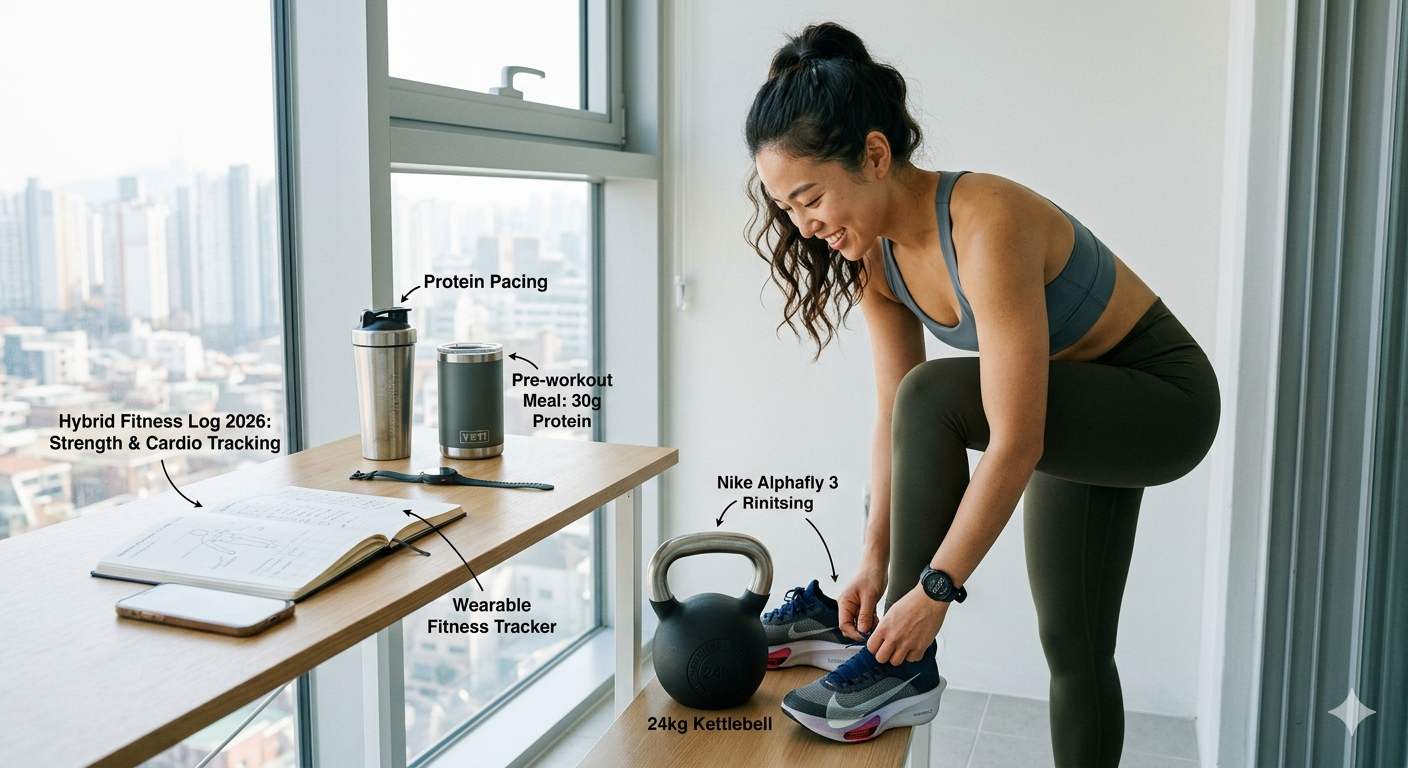
## Hybrid Fitness Systems 2026: Elevating Performance and Longevity
In 2026, the fitness landscape has shifted from “working harder” to “working smarter.” Hybrid fitness systems have emerged as the premier choice for individuals seeking peak performance without sacrificing their busy schedules. By seamlessly integrating strength training, cardiovascular endurance, and strategic nutrition, this approach builds a body that is as resilient as it is aesthetic.
The core of a successful hybrid model lies in metabolic efficiency—training your body to switch between fuel sources while preserving its most valuable asset: lean muscle mass.
### 1. The Power of Integrated Training
Hybrid fitness systems dismantle the old myth that you must choose between being “strong” or “fit.”
- Synergy over Competition: Combining resistance training with zone 2 cardio or HIIT doesn’t hinder progress; it enhances it. Strength training builds the power for endurance, while cardio improves the oxygen delivery needed for high-volume lifting.
- Functional Versatility: Whether you are deadlifting twice your body weight or running a 5K, hybrid training ensures you are “battle-ready” for any physical challenge.
### 2. The Science of “Protein Pacing”
In 2026, we don’t just count total protein; we focus on the timing. Protein pacing is a critical component of hybrid fitness systems.
- Steady Amino Acid Flow: Consuming 25–40g of high-quality protein every 3 to 4 hours ensures optimal muscle protein synthesis (MPS) throughout the day.
- Metabolic Boost: Protein has a high thermic effect of food (TEF), meaning your body burns more calories just by digesting it, keeping your resting metabolic rate elevated even on rest days.
### 3. Achieving Metabolic Efficiency
A well-designed hybrid program trains your metabolism to be flexible.
- Fuel Switching: By alternating intensities, your body becomes better at using fat for low-intensity activities and carbohydrates for high-intensity bursts.
- Active Recovery: In 2026, rest doesn’t mean staying on the couch. Incorporating “movement snacks”—short 10-minute walks or mobility drills—improves blood flow and accelerates the repair of muscle tissues.
### 4. 2026 Trend Watch: AI-Guided Load Management
Modern hybrid fitness systems are now supported by AI-driven wearables that track your Heart Rate Variability (HRV).
- Dynamic Adjustments: If your recovery score is low, your AI coach might suggest a low-impact mobility session instead of a heavy squat day. This data-driven approach prevents burnout and ensures long-term consistency.
💡 Pro Tip: To maximize your hybrid fitness systems results, always prioritize a “Protein Pacing” meal within 60 minutes after a high-intensity session to jumpstart tissue repair and glycogen replenishment.
### Final Thoughts
Transitioning to hybrid fitness systems is more than just a workout change—it’s a biological upgrade. By balancing strength, stamina, and smart nutrition, you aren’t just building a better physique; you are investing in a future of dynamic vitality and lasting health.